Interview
Confirming the interview transcript
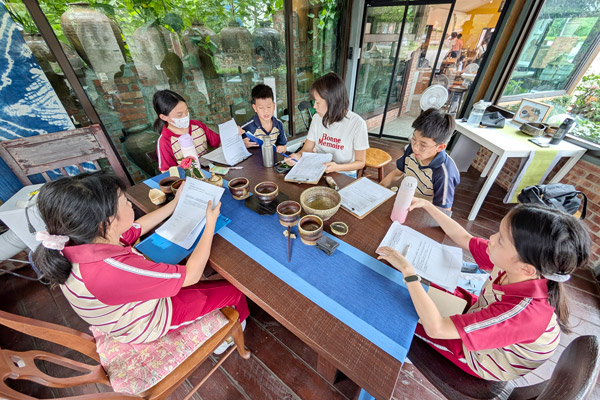
photo by our team

photo by our team
Interview with Zhunan Snake Kiln
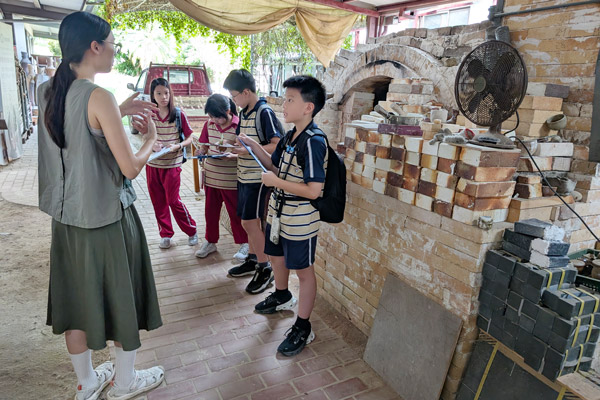
photo by our team
Interview with staff of Zhunan Snake Kiln in Miaoli County.

photo by our team
Interview with Master Lin Jui-Hwa of Zhunan Snake Kiln in Miaoli County.
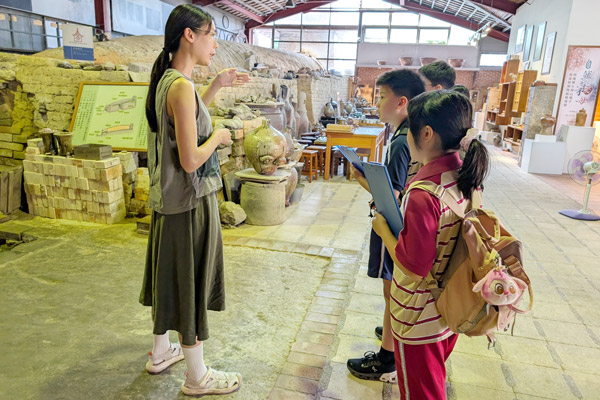
photo by our team
Interview with staff of Zhunan Snake Kiln in Miaoli County.
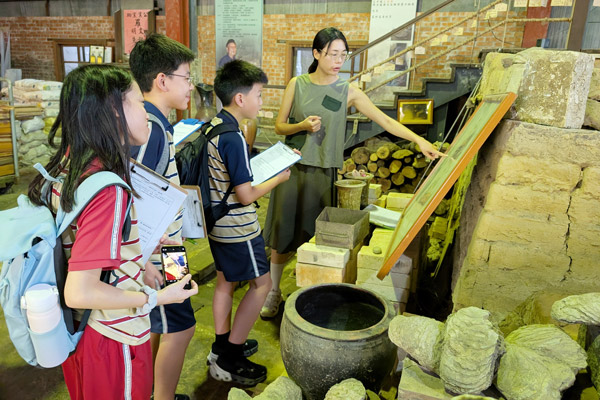
photo by our team
Interview with staff of Zhunan Snake Kiln in Miaoli County.
Answer: In the past, a single firing cycle lasted about five to six days of continuous work. This required a dedicated team of 20 people working in shifts around the clock. We operated in six-hour shifts, with two people in each group. This rotation ensured that every member had enough rest to stay focused on the intense firing process.
Typically, the two people on duty were responsible for both stoking the fire and chopping wood. Because they had worked together for so long, they shared a deep, "tacit understanding." They could manage the entire process smoothly without even needing to speak. Their silent cooperation ensured that the fire remained stable and the pottery reached its highest quality.
Typically, the two people on duty were responsible for both stoking the fire and chopping wood. Because they had worked together for so long, they shared a deep, "tacit understanding." They could manage the entire process smoothly without even needing to speak. Their silent cooperation ensured that the fire remained stable and the pottery reached its highest quality.
Answer: Snake Kiln vs. Electric Kiln: The Dilemma of Art and Cost. The choice between an electric kiln and a snake kiln is essentially a dialogue between two creative mindsets: efficiency versus tradition, controllability versus chance, and economy versus art. The electric kiln embodies the convenience and efficiency of the industrial age, precisely reproducing predetermined effects and making the creative process more stable. The snake kiln, on the other hand, inherits the soul of traditional craftsmanship, but its firing process is filled with unpredictable variables; each piece is a unique existence born from the accidental collision of fire and earth. Therefore, there is no single correct and definitive answer, because the value of art cannot be quantified in monetary terms. A ceramic artist choosing a snake kiln views the creative process itself as an irreplaceable value. While investing significant manpower, resources, and time, they also engage in a profound fusion with fire, earth, and wood, ultimately leaving traces of time and nature on their works. Behind this choice lies the ceramic artist's unwavering belief in their creative path. Whether choosing the high-efficiency electric kiln or adhering to the rustic snake kiln, both reflect their different pursuits and requirements for art. While cost is an important practical consideration, in the temple of art, that unique soul is the truly eternal and priceless treasure.
Answer: The colors of pieces fired in the Zhunan Snake Kiln are naturally occurring, so they won't fade. In terms of preservation, if high-temperature sintering is achieved, their durability is comparable to that of electrically fired pieces. However, the unique texture and grain of wood-fired pieces may show signs of aging due to usage and environment, which is considered part of their unique artistic value. Electrically fired pieces, because of controlled temperature, are much more stable, and their glaze is more uniform, making them less susceptible to external or environmental influences. Ultimately, the choice depends on the creator's and collector's preference for artistic style and the texture of the piece—for example, whether they seek the naturalness and signs of aging of wood-fired pieces or the stability, precision, and perfect glaze of electrically fired pieces. Regardless of whether it's kiln-fired or electrically fired, in the production process of kiln-fired pieces, higher temperatures generally result in easier preservation and less susceptibility to external environmental influences.
Answer: The Zhunan Snake Kiln took nine days to build, constructed by founder Lin Tianfu, nine craftsmen, and an ox, who personally made the bricks and constructed the structure. They completed the 25-meter-long snake kiln in 1972. The materials used to make a snake kiln include clay, exposed bricks, earthenware mortar, and floor tiles. During the firing process, due to thermal expansion and contraction, the roof of the snake kiln changes from a semi-circular shape to a flat surface, eventually leading to its collapse.
Answer: If only the firing process (excluding cooling) is considered, a piece of pottery typically takes several days to fire in a snake kiln. If cooling time is included, the total time required to remove the piece from the kiln is one to several weeks, or five to six days if cooling is not included.
Answer: When creating a piece, there are slits in the back to allow air to enter. During firing, the piece may explode due to expansion. These small fragments ejected after the explosion may affect other pieces, preventing them from taking shape.
Answer: Both wood-fired and electric kilns can achieve sufficiently high firing temperatures, but wood-fired kilns have set higher world records. However, in everyday use, the maximum temperature of the two types of kilns will vary depending on factors such as kiln design, fuel, and firing purpose.
Answer: The process of making wood-fired ceramics is much more time-consuming than that of electric kilns, mainly because the firing stage of wood-fired ceramics requires a large investment of manpower, time, and experience. Every 6 hours, two people are working on the finished product in a wood-fired ceramic kiln, one of whom is checking the fire and the other is chopping wood.
Answer: Answer:The firing temperature and atmosphere of a wood-fired kiln rely primarily on the artisan's experience and keen observation, unlike electric or gas kilns that offer automated precision. To maintain the intense heat, kiln operators must work in 24-hour shifts, ensuring the fire is constantly monitored and fed.
1. From Intuition to Instruments: In the past, masters relied solely on their "trained eyes" to judge the temperature by the color of the flames. Today, while we still value that intuition, we also use modern pyrometers (thermometers) to ensure the stability and safety of the firing process.
2. Man-Made vs. Nature-Crafted: * Electric Firing: This method allows for high predictability. The artist has full control over the final appearance and glaze effects, ensuring consistent results.
3. Wood Firing: This method embraces the power of nature. The intense path of the flames and the falling ash force the pieces to "naturally find their own character." The final colors and textures are a unique gift from the kiln itself, often resulting in "accidental masterpieces" that cannot be replicated.
1. From Intuition to Instruments: In the past, masters relied solely on their "trained eyes" to judge the temperature by the color of the flames. Today, while we still value that intuition, we also use modern pyrometers (thermometers) to ensure the stability and safety of the firing process.
2. Man-Made vs. Nature-Crafted: * Electric Firing: This method allows for high predictability. The artist has full control over the final appearance and glaze effects, ensuring consistent results.
3. Wood Firing: This method embraces the power of nature. The intense path of the flames and the falling ash force the pieces to "naturally find their own character." The final colors and textures are a unique gift from the kiln itself, often resulting in "accidental masterpieces" that cannot be replicated.
Answer: The ash produced by burning firewood melts at high temperatures and reacts chemically with the minerals on the surface of the clay, forming a glassy coating. At temperatures exceeding 1200 degrees Celsius, the ash is carried by hot air currents and settles on the surface of the pottery. This ash melts at high temperatures and combines with the minerals in the clay to form a thin, glassy glaze, known as "natural ash glaze." Even higher temperatures can produce a jade-like finish. Thus, it is evident that the appearance of pottery varies depending on the temperature environment. However, only wood-fired pottery produces a glaze; electric firing does not produce a natural glaze and requires artificial glazing.
Answer: Although electric kilns cannot produce the unique and unpredictable effects of wood firing through the flow of flames, natural ash settling, and reducing atmosphere, ceramic artists can still use some techniques to simulate similar layers and fire marks to wood firing in the oxidizing firing environment of an electric kiln.
Answer: The Zhunan Snake Kiln has survived for over 50 years because it successfully transformed from a production factory into a "Living Eco-Museum." In the 1990s, when plastic and stainless steel replaced ceramic water jars, many kilns closed down. However, the Lin family realized that while the utility of pottery might change, its artistic value is eternal.
Noteworthy reforms include:
Educational Transformation: We shifted from mass-producing pots to offering "hands-on education." By opening a pottery classroom, we allowed the public to experience the magic of clay.
Technological Innovation (High-Temperature Wood-Firing): Instead of competing with cheap factory goods, Master Lin Rui-hua focused on pushing wood-firing to extreme temperatures (1,563°C). This created a unique "Natural Ash Glaze" that turned traditional pottery into high-end fine art.
International Collaboration: By hosting the "International Chawan Festival," we turned a local Miaoli kiln into a global platform, uniting ceramic artists from all over the world.
Noteworthy reforms include:
Educational Transformation: We shifted from mass-producing pots to offering "hands-on education." By opening a pottery classroom, we allowed the public to experience the magic of clay.
Technological Innovation (High-Temperature Wood-Firing): Instead of competing with cheap factory goods, Master Lin Rui-hua focused on pushing wood-firing to extreme temperatures (1,563°C). This created a unique "Natural Ash Glaze" that turned traditional pottery into high-end fine art.
International Collaboration: By hosting the "International Chawan Festival," we turned a local Miaoli kiln into a global platform, uniting ceramic artists from all over the world.
Answer: In terms of sustainable development, Zhunan Snake Kiln primarily reduces energy consumption by using local building materials, improving technology, shifting to the use of recycled wood, and reducing the number of firings. Furthermore, they are undertaking technological improvements to enhance kiln thermal efficiency and minimize energy consumption as much as possible. These improvements include using recycled wood, upgrading preheating systems, and developing automated equipment.
Answer: Traditionally, pottery learning involves a master-apprentice relationship and long-term practice without a fixed schedule. Now, classes are held, emphasizing both theory and practice. This allows students to learn traditional techniques while also being exposed to contemporary pottery concepts. Through hands-on practice, they master the complete process from throwing, hand-shaping, trimming to firing.
Answer: Zhunan Snake Kiln invites ceramic artists from around the world to exchange ideas and create works. The artists-in-residence come from various countries, including Japan, Slovenia, Switzerland, and Hong Kong, and the village has established an international exchange platform, exhibiting overseas and hosting the International Chawan Festival (currently in its third year). Different artists use different firing techniques and clays, yet ultimately present tea bowl works that uniquely reflect their respective cultures, proving that the commonalities of artistic creation can transcend language and culture.
Answer: Snake kilns possess a unique artistry. Unlike electric or gas kilns, which offer precise temperature control, wood-fired pottery is notoriously difficult to manage. The "natural ash glaze" formed within the kiln, the "fire marks" left by the flames, and the interaction between the clay and the ash glaze at high temperatures all contribute to unique textures and colors.
We teach students construction techniques, the firing process, and the core knowledge of snake kilns, effectively balancing the inheritance of craftsmanship with innovation. These elements are further integrated with local tourism and culture. Furthermore, in 2016, the Zhunan Snake Kiln—which places paramount importance on temperature—broke the Guinness World Record with a wood-fired temperature of 1563 degrees Celsius, a testament to the kiln's extraordinary capabilities.
We teach students construction techniques, the firing process, and the core knowledge of snake kilns, effectively balancing the inheritance of craftsmanship with innovation. These elements are further integrated with local tourism and culture. Furthermore, in 2016, the Zhunan Snake Kiln—which places paramount importance on temperature—broke the Guinness World Record with a wood-fired temperature of 1563 degrees Celsius, a testament to the kiln's extraordinary capabilities.
Answer: Compared to traditional wood-fired kilns, electric kilns emit less exhaust gas, require less space, and are more suitable for beginners. Additionally, electric kilns are faster and less prone to malfunctioning. Ultimately, there is no absolute answer as to which type is better, as it depends on the artist's needs.
2025 Interview with the International Chawan Festival
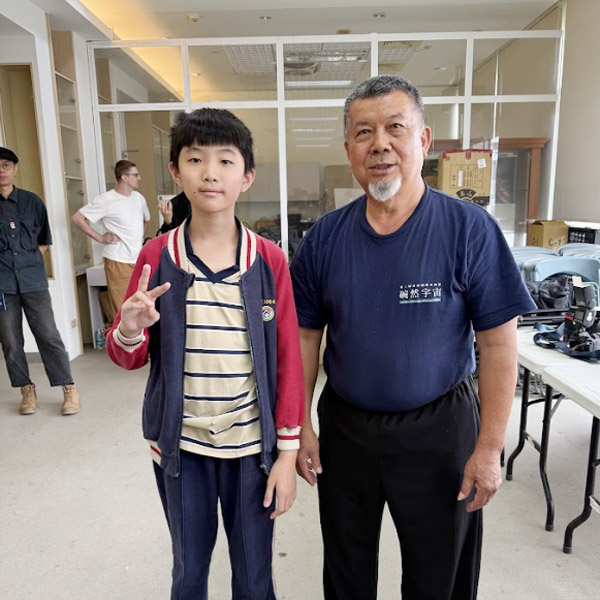
photo by our team
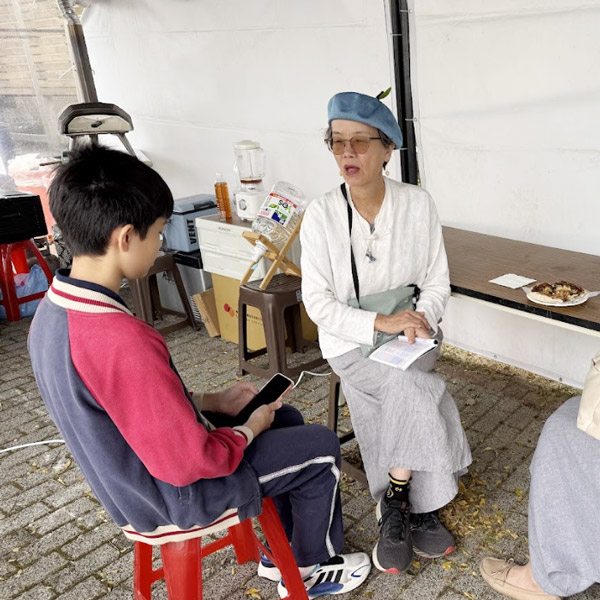
photo by our team

photo by our team
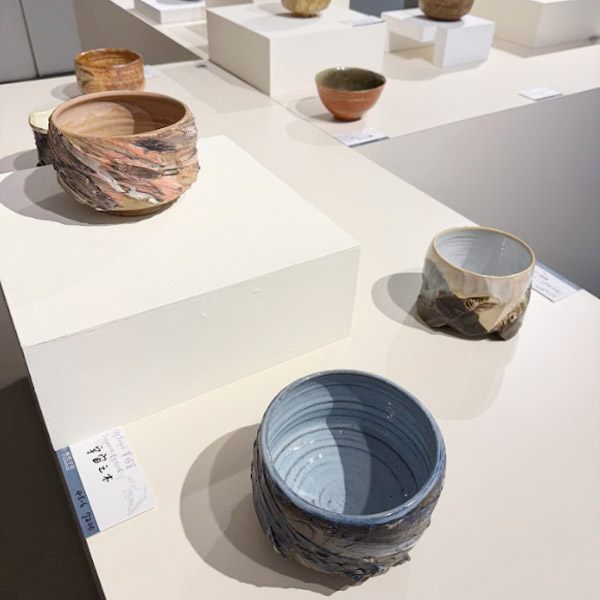
photo by our team
Answer: It is because there is a strong desire to preserve and promote the culture of Chawan. Taiwan offers a unique platform where traditional tea arts and ceramic craftsmanship are deeply integrated, making it an ideal place for artists to share their heritage with a global audience.
Answer: The idea originated because the previous kiln owners had participated in several international tea bowl exhibitions abroad. They felt that Taiwan, with its rich tea culture, should also host its own world-class event to showcase local craftsmanship.
Answer: Yes. For example, we frequently invite international ceramic artists to share their personal stories and techniques. By bringing diverse cultures and creative exchanges to Taiwan, we add deeper narrative value to our works and help more people understand the artistry behind wood-fired pottery.
Answer: We actively invite artists and experts from various countries and regions to participate in the exhibition. Over the years, the Chawan Festival has established a strong reputation, becoming highly recognized in Europe and other parts of the world.
Answer: To participate, artists are generally required to have a proven track record in ceramic competitions within Taiwan. In addition, we also extend special invitations to renowned international ceramic artists to join our exhibitions, fostering a high-level artistic exchange.
Answer: Yes. Each session is carefully curated to include lectures and DIY activities centered around different themes, ensuring a fresh and engaging experience for participants every time.
Answer: The lectures primarily focus on the rich cultural history and the core philosophy of the Chawan Festival. These sessions explore the artistic evolution of the "Chawan," its significance in tea ceremonies, and the unique techniques used by masters from around the world to create these symbolic vessels.
Answer: My goal is to transform the Chawan Festival into a more widespread and globally recognized cultural movement. Beyond just an exhibition, I hope to see it integrated into daily life, fostering a deeper appreciation for the artistry of tea bowls among people of all ages and backgrounds.
Answer: The theme was chosen because every tea bowl maker possesses their own unique "inner universe" expressed through their craft. However, when these individual creations are brought together, they reveal a profound interconnectedness. "Bowl Universe" symbolizes how these diverse artistic worlds converge to form a larger, shared cultural galaxy.