Park Introduction
Zhunan Snake Kiln (Entrance)

photo by our team
▪Kiln Classification
Shape: Mantou Kiln, Snake Kiln, Deng Kiln, Four-Corner Kiln…
Fuel: Wood-fired Kiln, Coal Kiln, Heavy Oil Kiln, Electric Kiln, Gas Kiln
Flame: Flame, Horizontal Flame, Semi-downdraft Flame, Fully Downdraft Flame
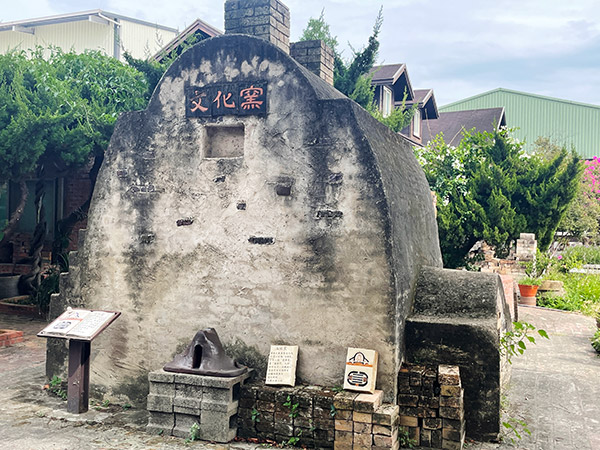
Daruma kiln
The Daruma Kiln (Wun-hua Kiln), also known as the Black Tile Kiln, is a traditional structure used to produce Japanese-style black tiles. In Taiwan, it was colloquially called the "Dog-Head Kiln" because its profile resembled the head of a dog. Conversely, the Japanese referred to it as the "Daruma Kiln" due to its rounded shape, which looks like the Zen master Bodhidharma (Daruma) sitting in meditation. During the Japanese colonial period, these kilns flourished in areas like Zaoqiao to supply roofing tiles for Japanese-style architecture. However, with the advent of modern building materials, this industry declined, and these historic kilns have now largely faded into history.
photo by our team
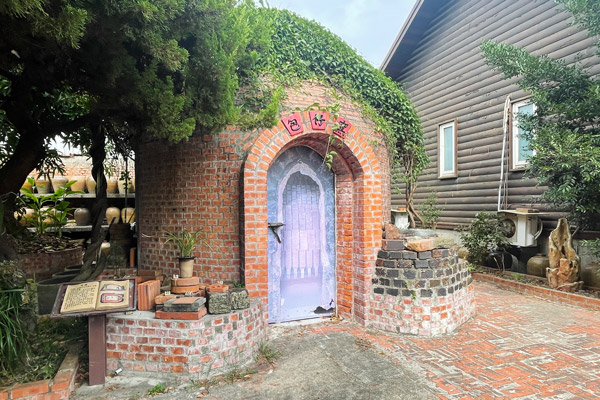
Mantou kiln
The Mantou Kiln (Buns Kiln) is a traditional type of "Tile Kiln" primarily used to fire materials for traditional architecture, such as red bricks, thin tiles, and decorative window lattices. In northern Taiwan, it is commonly called the "Bao-zai Kiln" because its earth-covered roof resembles a giant steamed bun. In the south, it is known as the "Gui-zai Kiln" (Turtle Kiln) because its tile-covered dome looks like a turtle's shell. This type of kiln utilizes a "semi-downdraft" firing system and typically uses wood or rice husks as its primary fuel source.
photo by our team
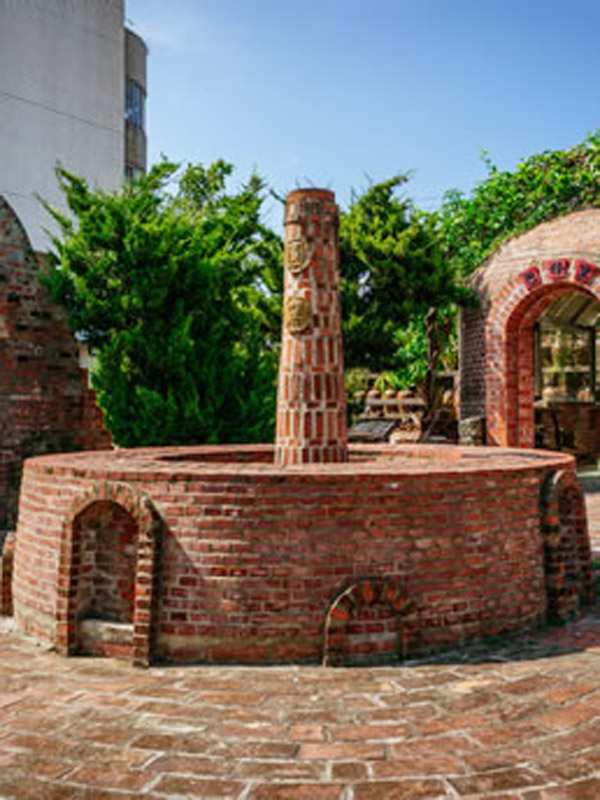
Round kiln
Also known as the Steamer Kiln or Wheel Kiln, it is a continuous kiln for firing red bricks. Later, it evolved into the larger "Bagua Kiln". The park is currently designed in a smaller version, which not only has cultural and educational functions, but also serves as a "round chair" for resting in the park.
photo by here
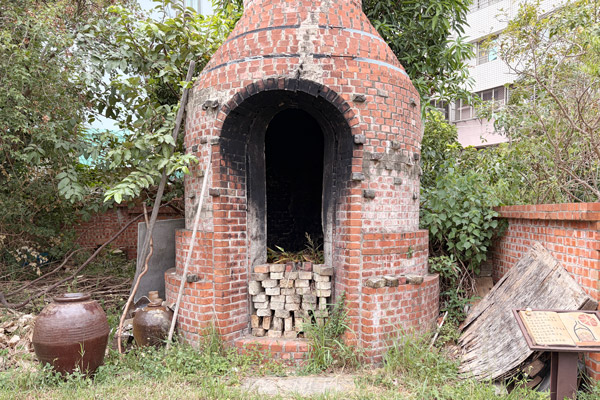
Bottle kiln
It is called a Bottle kiln because its shape resembles a PET bottle. It is a direct-flame kiln and is relatively rare in Taiwan. In the early days, it was used to fire refractory bricks, while European bottle kilns were used to fire bowls, plates, and ceramic tiles.
photo by our team
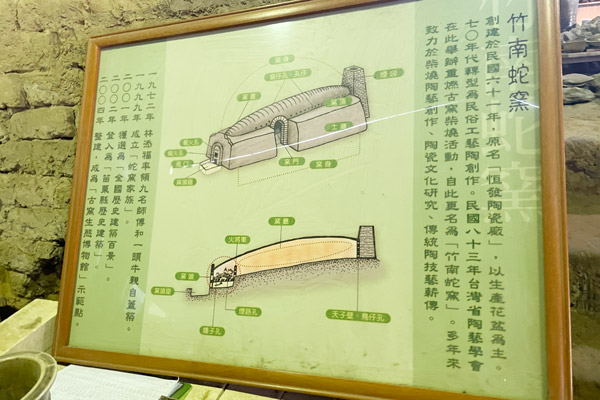
Snake Kiln Construction Diagram
photo by our team
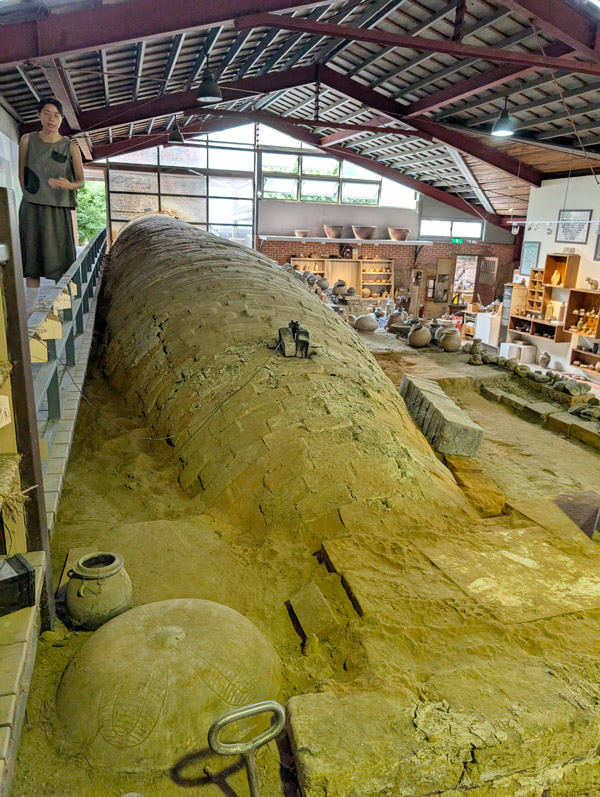
Snake Kiln
After the Minnan people migrated to Taiwan during the late Ming and early Qing dynasties, they all called it "Snake Kiln" because the early settlers dared not offend the emperor's authority and humbly referred to it as "Little Dragon," thus disdaining "Snake Kiln." After the founding of the People's Republic of China, "Snake Kiln" was renamed "Dragon Kiln," and "Snake Kiln" could no longer be found.
photo by our team