History
About the Founder: Lin Tien-Fu
Lin Tien-Fu was born into a family with an enduring legacy in the ceramics industry. His life began in 1926 in Taichung’s Waipu District—the same year his grandfather, Lin Kuo-Pen, was operating "Waiyao" (Outer Kiln), a renowned pottery workshop in Dajia Dong. Later, Lin’s father, Lin Chi-Ming, acquired the kiln and rebranded it as the "Lin Zhenxin Ceramics Factory," entrusting its management to his grandfather and uncle, Lin Chi-jung.

photo by here
Immersed in the world of kilns from childhood, Lin Jui-Hwa began his formal apprenticeship at the age of 13 (1938). Training under masters from Fuzhou, he mastered the traditional "Dajia Dong" pottery techniques. His natural talent was extraordinary; within just one year, at the age of 14, he was recognized as a master potter. He officially joined the family business, where he dedicated himself to production, excelling in sophisticated techniques such as wheel-throwing, hand-squeezing (coil-building), and prototype sculpting.
The History of Zhunan Snake Kiln (Miaoli)
▪Circa 1972: The Founding – Hengfa Ceramics Factory
Master potter Lin Tien-Fu, hailing from the "Waiyao" (Outer Kiln) in Dajia, led a team of nine craftsmen and a single ox to construct this traditional 25-meter snake kiln (later shortened to 20 meters) using hand-molded clay bricks. Initially operating under the name "Hengfa Ceramics Factory," the site focused on producing essential traditional wares for daily life, such as large flowerpots, vases, water crocks, and storage jars.
▪1970s – 1980s: Prosperity and Transformation – From Utility to Artistry
Zhunan Snake Kiln witnessed the final golden age of Taiwan’s traditional kiln industry and served as a vital ceramic production hub in Miaoli. In response to shifting market trends, the kiln began a strategic transformation in the 1980s, scaling back mass production of functional wares to focus on folk craft pottery, laying the groundwork for its future cultural evolution.
▪Early 1990s: Industrial Decline – The Impact of a New Era
The rise of cheaper, more durable, and lightweight industrial materials—such as plastic and stainless steel—dealt a severe blow to the traditional ceramics market. As demand plummeted, many traditional kilns were forced to close. Zhunan Snake Kiln faced an unprecedented challenge to its very survival.
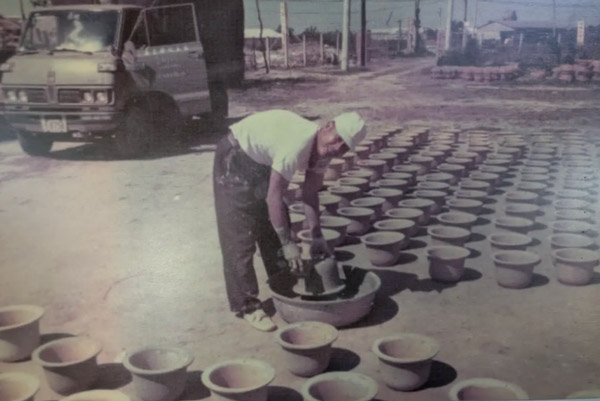
photo by our team
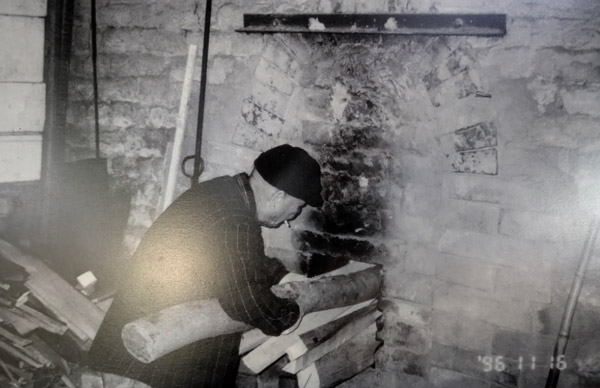
photo by our team
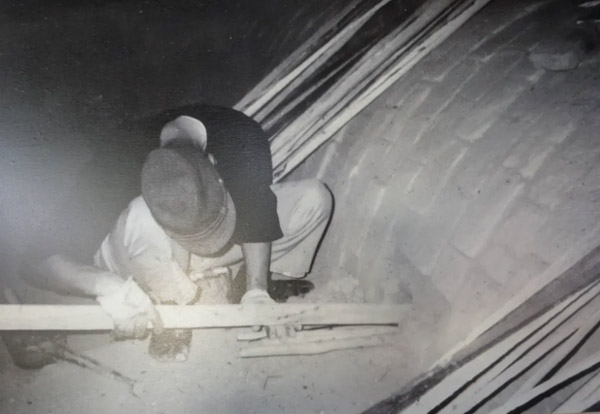
photo by our team
▪1990s to Present: Breakthrough, Preservation, and Cultural Regeneration
Through the perseverance of the second-generation successors, Mr. Lin Jui-Hwa and Ms. Deng Shu-Hui, the kiln was not only preserved but evolved into a cultural park integrating tourism, education, and the arts. They dedicated themselves to the preservation, inheritance, and innovation of traditional techniques, breathing new life into the ancient snake kiln.
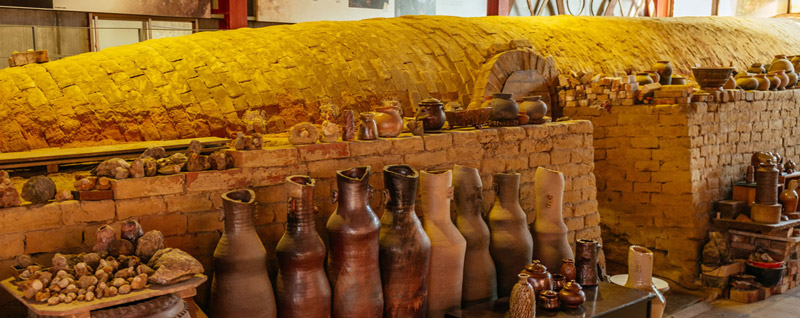
photo by here
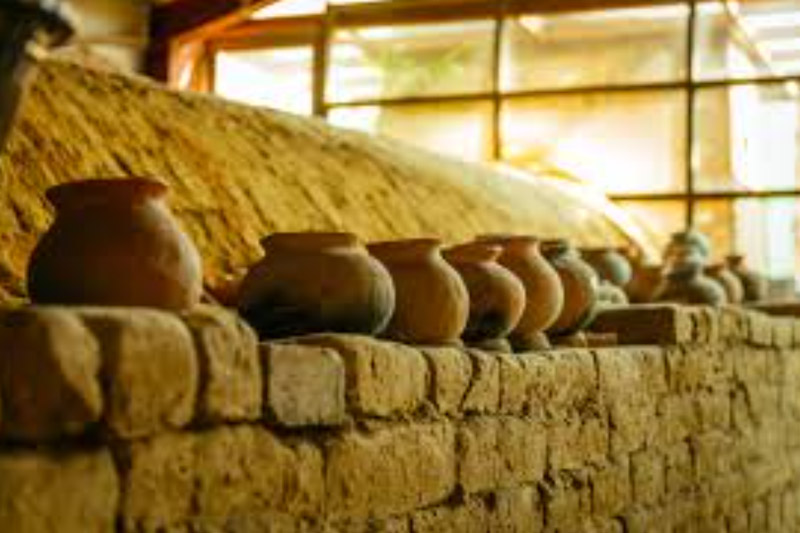
photo by here
▪2001: Establishing Historical Significance
The uniqueness and integrity of Zhunan Snake Kiln received national acclaim when it was selected as one of the "Top 100 Historical Buildings of Taiwan." At the time, it was the only traditional snake kiln to receive this honor, significantly raising its cultural profile.
▪2004: Launch of the Ancient Kiln Eco-Museum
The kiln adopted the "Ancient Kiln Eco-Museum" operating philosophy. The goal was to transform the entire site into a living museum, allowing visitors to not only tour a historical structure but also experience a vibrant, "living" tradition of pottery making.
▪Modern Era: Heritage, Research, and International Exchange
Today, the core mission focuses on high-temperature wood-fired ceramic art and in-depth research into ceramic culture. The site regularly hosts workshops on traditional pottery and wood-firing techniques, actively engaging in international exchanges to promote Taiwan’s unique kiln culture to the world.
▪Key Achievement: Guinness World Record
By continuously pushing the boundaries of wood-firing, the kiln successfully set a Guinness World Record for the "Highest Temperature Wood-Firing" (reaching temperatures exceeding 1,400°C). This feat proves that traditional snake kilns, when combined with modern expertise, can achieve world-class artistic and scientific milestones.
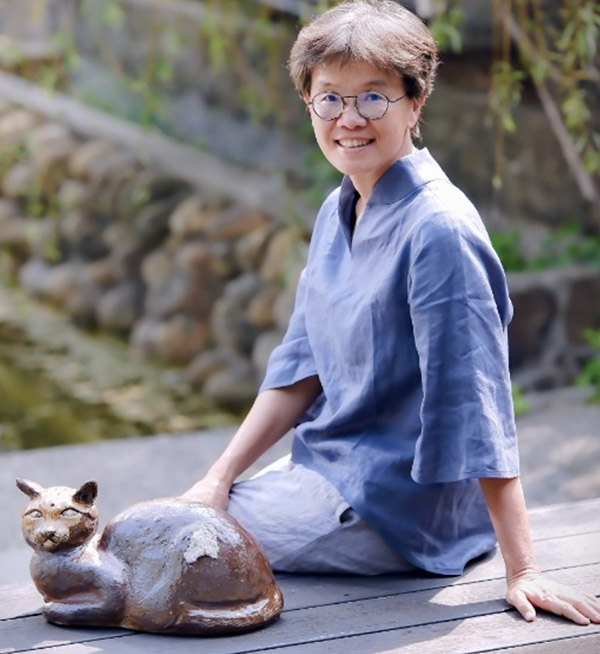
photo by here
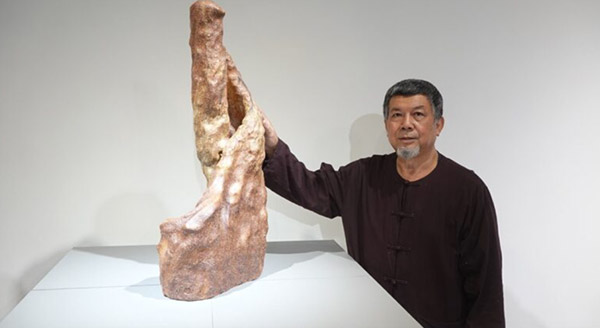
photo by here